The investigation changes hands before it ends.
A fault that appears on nights is passed to earlies, then to lates. Each shift sees a slice of it, and the whole picture exists only across three people’s memories.
Pairio is an AI assistant for industrial maintenance teams. In linked production, technicians use it to search the documentation for a specific cell and station, to record what they checked by voice, photo or video, and to see what the previous shift already ruled out.
Written for maintenance teams in vehicle assembly and component supply, including mechanics, electricians, controls technicians and the people who hand an open problem to the next shift.
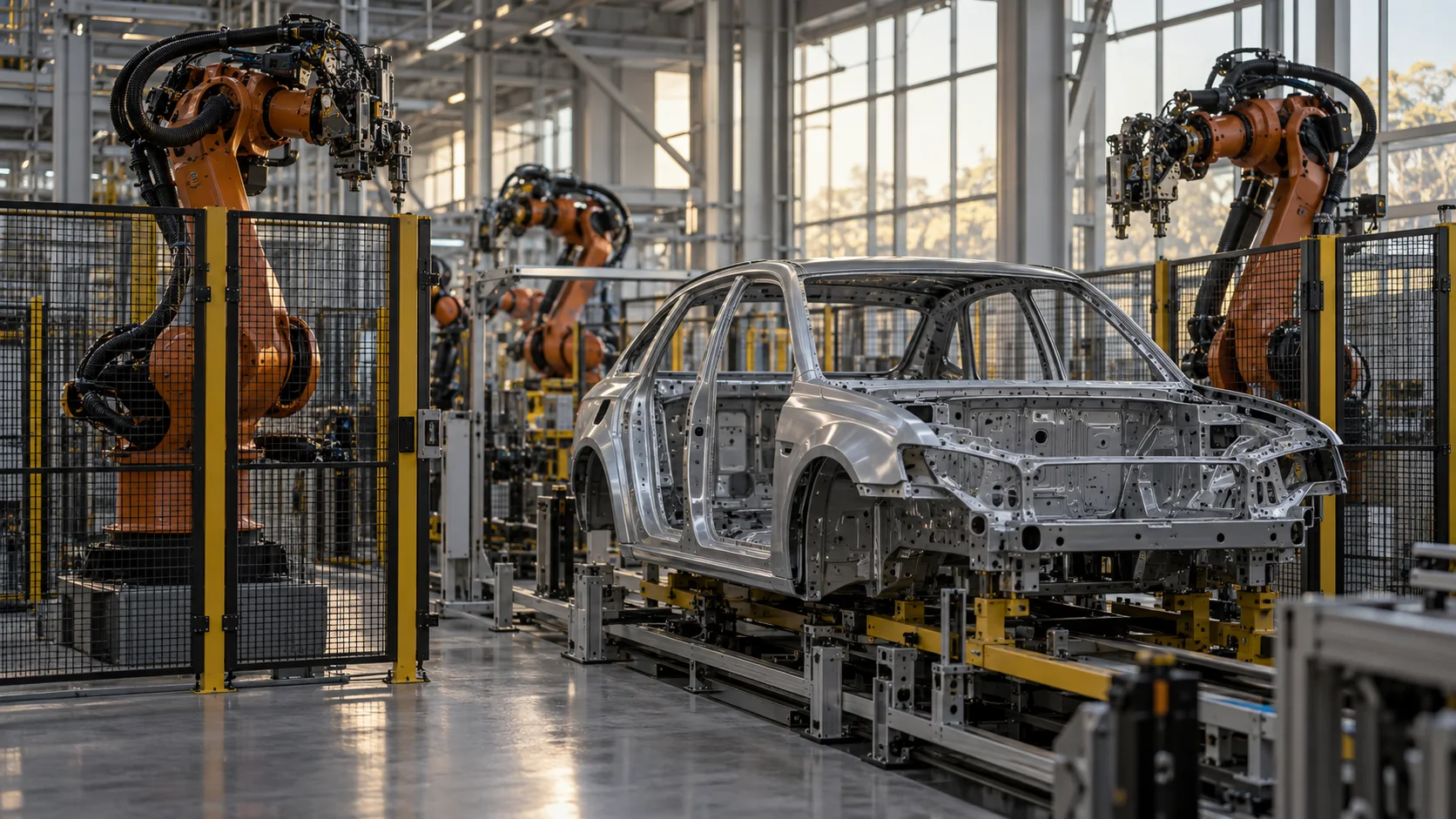
What makes the automotive industry different?
Documentation exists for every cell. What is usually missing is the connection between a station’s manual, the variant running at the time and what the previous shift already checked.
A fault that appears on nights is passed to earlies, then to lates. Each shift sees a slice of it, and the whole picture exists only across three people’s memories.
Cells assembled to the same drawing accumulate their own history of adjustments, replaced sensors and small fixes. The manual describes all of them and none of them.
A stop is counted in parts not built. Writing down what was checked competes with getting the line moving again, and the writing usually loses.
The same station runs several product variants. Whether the previous occurrence happened on the same one is the question nobody can answer afterwards.
How Pairio helps - Side by Side
Four situations most automotive maintenance teams recognise, along with the specific part Pairio plays in each one.
01 At the station
The documentation for the cell is spread across the builders of each unit inside it.
With Pairio
Ask using the cell, the station and the affected assembly. Pairio searches the available technical documentation and delivers an answer with the relevant references.
02 At the station
Whether it is tied to a product variant is a question nobody has been able to answer.
With Pairio
Ask what has already been recorded for this station. Pairio uncovers patterns and optimisation potential in your historical maintenance cases.
03 At the station
The next technician will repeat the checks you already made, because nothing records that you made them.
With Pairio
Speak the symptom, the checks performed and what they showed, and add a photo or a short video. Pairio brings together the issue, the actions taken and the spare parts used in a structured report.
04 At the station
The person who knows its quirks is explaining them again, between two stops.
With Pairio
Have the task demonstrated once and recorded with smart glasses. Pairio automatically creates work instructions or an interactive training video from it.
Before you get started
Start with one concrete maintenance situation and the technical documentation and repair records available for it. Together, we review the sources, machine context and reporting workflow. Pairio offers integrations with common ERP and document management systems; the connections and scope are agreed for your setup.
A structured maintenance report keeps the symptom, checks, actions and findings together. That gives maintenance and production a concrete account to discuss, including what remains unresolved. Pairio helps capture and reuse those records; it does not replace the team’s technical assessment or release decisions.